Discover the best treatment for autism and learn about autism spectrum diagnosis. Autism Singapore offers expert guidance, early intervention, and personalized care for better outcomes.

Understanding autism can feel overwhelming, especially for parents and caregivers who are just starting their journey. Whether you’re searching for the best treatment for autism or trying to understand autism spectrum diagnosis, having the right information can make all the difference. 

What is Autism Spectrum Disorder (ASD)?

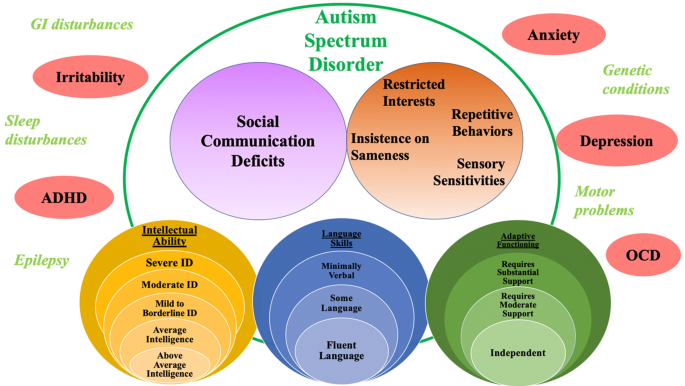
 Autism Spectrum Disorder (ASD) is a developmental condition that affects communication, behavior, and social interaction. It is called a “spectrum” because symptoms and severity vary widely from person to person. Some individuals may need significant support, while others live independently with minimal assistance. Early awareness is key. Recognizing the signs at a young age can lead to better outcomes through timely intervention. 
Autism Spectrum Diagnosis: How It Works

 Getting an accurate autism spectrum diagnosis is the first and most crucial step. Diagnosis is typically done by a team of professionals such as pediatricians, psychologists, or developmental specialists. 

Common Signs to Look For:

 Delayed speech or language skills Difficulty with eye contact Repetitive behaviors (hand-flapping, rocking) Challenges in social interaction Strong preference for routines 

Diagnostic Process:

  1. Developmental Screening – A basic check during early childhood. 
  2. Comprehensive Evaluation – In-depth assessment of behavior and development. 
  3. Standardized Tools – Specialists may use structured tools and observations to confirm ASD.

At Autism Singapore, we emphasize early and accurate diagnosis, as it helps create a personalized treatment plan tailored to each individual’s needs. 

Best Treatment for Autism

 There is no one-size-fits-all cure for autism, but there are highly effective treatments that can significantly improve quality of life. The best treatment for autism focuses on early intervention, consistency, and individualized care. 

1. Behavioral Therapy (ABA)

 Applied Behavior Analysis (ABA) is one of the most widely recommended therapies. It helps improve communication, learning skills, and behavior through positive reinforcement. 

2. Speech and Language Therapy

 This therapy helps individuals develop communication skills, whether verbal or non-verbal. It is especially helpful for children who struggle with expressing themselves. 

3. Occupational Therapy

 Occupational therapy focuses on daily living skills such as eating, dressing, and motor coordination. It helps individuals become more independent. 

4. Social Skills Training

 Many individuals with autism find social interactions challenging. Social skills training helps them understand social cues, build relationships, and improve confidence. 

5. Parent Training & Support

 Parents play a crucial role in a child’s development. Training programs empower families with strategies to support their child at home. 

Why Early Intervention Matters

 Research consistently shows that early intervention leads to better outcomes. The earlier a child receives therapy, the more progress they are likely to make in communication, behavior, and learning skills. At Autism Singapore, we focus on early support programs designed to help children reach their full potential in a nurturing and structured environment. 

Choosing the Right Support

 Finding the best treatment for autism depends on the individual’s unique needs. A combination of therapies often works best. Regular monitoring and adjustments ensure that the treatment plan evolves with the individual. When selecting a center or program, consider: Qualified and experienced professionals Personalized therapy plans Family involvement Proven track record 

Final Thoughts

 Autism is not a limitation—it’s a different way of experiencing the world. With the right diagnosis and treatment, individuals with autism can thrive, grow, and lead fulfilling lives. If you are looking for trusted guidance on autism spectrum diagnosis or the best treatment for autism,Autism Singapore is here to support you every step of the way.

When parents begin searching for an autism doctor in Singapore, it’s usually driven by concern, hope, and a desire to give their child the very best support possible. Autism Spectrum Disorder (ASD) is not a one-size-fits-all condition, and early, professional guidance can make a meaningful difference in a child’s development and quality of life. 

In this guide, we’ll walk you through how to find the right autism doctor in Singapore, what to expect from diagnosis and treatment, and how the brand Autism Treatment focuses on compassionate, evidence-based care. 

Understanding Autism and the Role of an Autism Doctor

 Autism is a neurodevelopmental condition that affects communication, behavior, and social interaction. Some children may show signs very early, while others are identified later as social or learning challenges become more noticeable. An autism doctor is typically a: Developmental pediatrician Child psychiatrist Pediatric neurologist Clinical psychologist (for assessments) These specialists are trained to evaluate developmental milestones, behavior patterns, speech, and sensory responses. Their goal is not just diagnosis, but creating a clear roadmap for therapy and long-term support. 

Why Singapore Is a Trusted Destination for Autism Care

 Singapore is widely recognized for its advanced healthcare system and child development services. Parents trust autism doctors here because of: Internationally trained medical professionals Evidence-based diagnostic tools Multidisciplinary therapy approaches Strong collaboration between doctors, therapists, and families Whether you are a local resident or an expatriate family, Singapore offers structured and transparent autism care pathways. 

What to Expect During an Autism Assessment

 When visiting an autism doctor in Singapore, the process usually includes: 

  1. Initial consultation – discussion of developmental history and parental concerns 
  2. Behavioral observation – how the child interacts, communicates, and plays 
  3. Standardized assessments – age-appropriate diagnostic tools Diagnosis and explanation – clear, jargon-free discussion with parents 
  4. Personalized treatment plan – therapy and follow-up recommendations

A good autism doctor takes time to explain everything, answers questions patiently, and involves parents as partners in care. 

Autism Treatment: A Support-Focused Approach

 At Autism Treatment, the philosophy is simple: every child is unique, and care should reflect that. Treatment plans are tailored based on the child’s strengths, challenges, and family goals. 

  • Common support options may include: 
  • Speech and language therapy 
  • Occupational therapy for sensory and motor skills 
  • Behavioral therapy (ABA-based or integrative approaches) 
  • Parent training and guidance 
  • Ongoing developmental monitoring

Rather than focusing only on challenges, the emphasis is on building skills, confidence, and independence in a supportive environment. 

Choosing the Right Autism Doctor in Singapore

 When selecting an autism doctor, consider: 

  • Experience with children of similar age 
  • Clear communication and empathy 
  • Access to a multidisciplinary therapy team 
  • Transparent treatment plans and realistic expectations

Trust and comfort matter. The right doctor will make both you and your child feel understood and supported. 

Final Thoughts

 Searching for an autism doctor in Singapore can feel overwhelming, but you’re not alone. With the right medical guidance and early intervention, children with autism can thrive, learn, and grow in their own unique ways.


Autism Spectrum Disorder (ASD) affects how individuals perceive and interact with the world, making tailored treatment approaches essential. At autism-singapore.com, we are committed to providing up-to-date, evidence-based resources for families, caregivers, and individuals living with autism. This blog explores various treatment options to improve the quality of life for those with autism. 

Early Intervention: The First Step

Early diagnosis and intervention are critical in autism treatment. Research has shown that early intervention can significantly improve social, behavioral, and communication skills in young children with autism. Programs like Applied Behavior Analysis (ABA), speech therapy, and occupational therapy can begin as early as age two, offering the best chances for developmental progress. 

Behavioral Therapies 

Behavioral therapies like ABA are among the most widely recommended treatments for autism. ABA focuses on reinforcing positive behaviors and reducing unwanted ones through structured learning experiences. This method is especially effective in helping children with autism improve communication, social interaction, and daily living skills.

Speech Therapy 

Many individuals with autism struggle with verbal and non-verbal communication. Speech therapy addresses these challenges by helping them develop better language skills, both spoken and written. Through various techniques, individuals can improve their ability to express themselves and understand others. 

Sensory Integration Therapy 

Many people with autism experience sensory sensitivities—either heightened or reduced sensitivity to stimuli like light, sound, or touch. Sensory integration therapy helps individuals manage these sensitivities, enhancing their ability to cope with their environment. This treatment can make daily experiences less overwhelming and more manageable. 

Medication 

While there is no cure for autism, certain medications can help manage symptoms like anxiety, hyperactivity, or irritability. Medications should always be prescribed and monitored by a healthcare professional and are most effective when combined with behavioral therapies. 

The Role of Family and Community 

At autism-singapore.com, we emphasize the importance of a supportive environment. Families, educators, and caregivers all play a crucial role in autism treatment. Training and support for caregivers are essential for helping individuals with autism reach their full potential. 

Tailoring Treatment to the Individual 

Every individual with autism is unique, which means treatment plans must be personalized. At autism-singapore.com, we advocate for a multidisciplinary approach that includes behavioral therapy, medical support, and family involvement. Our goal is to provide comprehensive guidance for individuals with autism at all stages of life.

I BUILT MY SITE FOR FREE USING