Learn about Autism Spectrum Disorder, common characteristics, diagnosis, early support, and how families can create an inclusive environment in Singapore.
Autism Spectrum Disorder (ASD) is a developmental condition that affects how a person communicates, interacts with others, learns, and experiences the world. Autism is called a “spectrum” because every autistic person is different. Some individuals may need significant daily support, while others may live independently and require support in specific areas.
What Is Autism Spectrum Disorder?
Autism Spectrum Disorder can influence social communication, behavior, sensory processing, and patterns of interests or activities. Some autistic individuals may find it difficult to understand social cues, maintain conversations, or adapt to changes in routine. Others may have strong interests, excellent attention to detail, or unique ways of learning and solving problems.
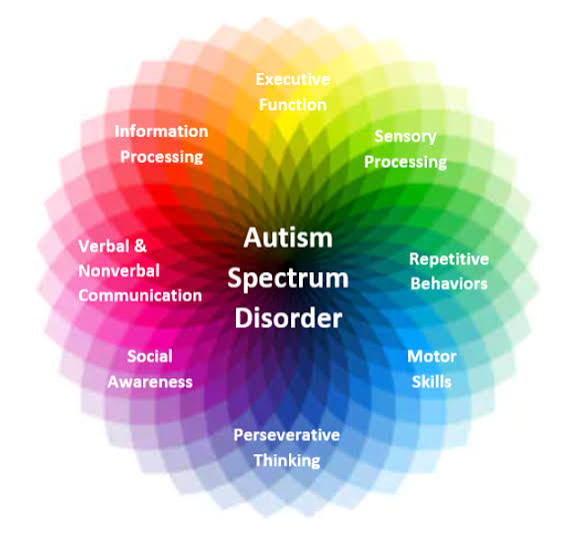
It is important to remember that autism is not a single experience. Each person has their own strengths, challenges, personality, and abilities.
Common Characteristics of Autism
Signs of autism can appear during early childhood, although they may sometimes be recognized later. Common characteristics can include difficulty with social communication, repetitive behaviors, a strong preference for routines, intense interests, or unusual sensitivity to sounds, lights, textures, smells, or other sensory experiences.
Not every autistic person will have the same characteristics. This is why professional assessment is important when autism is suspected.
Diagnosis and Early Support
Autism Spectrum Disorder is diagnosed through a comprehensive assessment rather than a single medical test. Professionals may consider a person's developmental history, communication skills, behavior, learning patterns, and social interaction.
Early identification can help families understand a child's needs and provide appropriate support. Depending on individual needs, support may include speech and language therapy, occupational therapy, behavioral approaches, educational support, social skills development, and family guidance.
The goal is not to change who an autistic person is. Instead, appropriate support can help individuals communicate effectively, develop practical skills, participate in everyday activities, and reach their potential.
Supporting Autism in Singapore
Families looking for information about autism may benefit from professional guidance, reliable educational resources, and a supportive environment. At Autism Singapore, the focus is on increasing awareness and helping families better understand Autism Spectrum Disorder and the different ways individuals may experience it.
Creating an inclusive environment is equally important. Patience, acceptance, clear communication, predictable routines, and respect for individual differences can make everyday life more comfortable for autistic individuals.
A More Understanding Future
Understanding Autism Spectrum Disorder begins with recognizing that autism is part of human diversity. With the right information, acceptance, and individualized support, autistic individuals can build meaningful relationships, develop their abilities, and participate actively in their communities.