Looking for autism Singapore support or an autism doctor Singapore? Learn about autism assessment, professional guidance, personalised support, and care options.
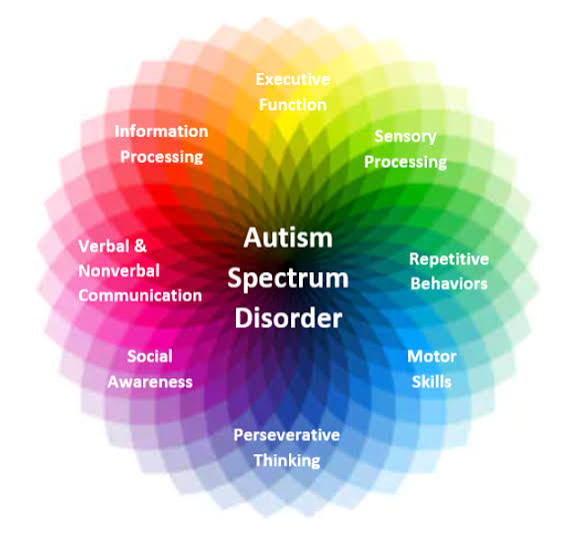
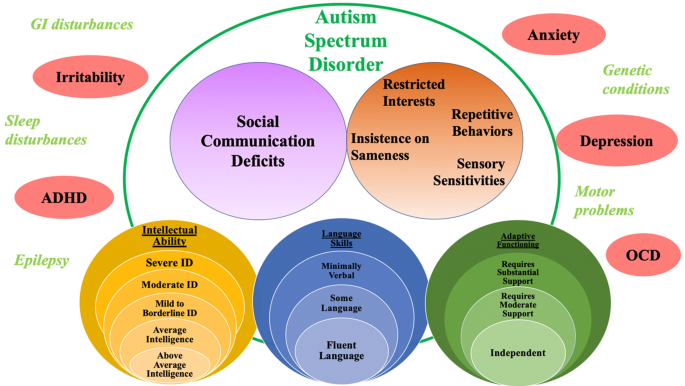
Autism is a developmental condition that can affect communication, social interaction, learning, behaviour, and sensory processing. Every autistic person is different, which is why personalised support is important. For families looking for autism Singapore resources, understanding the available assessment, guidance, and support options is an important first step.
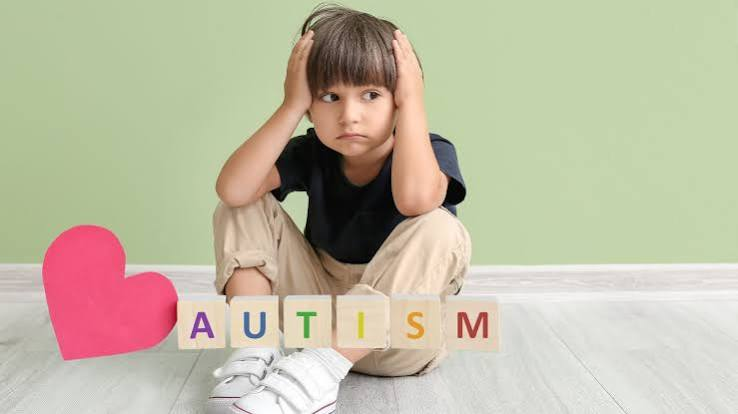
Understanding Autism in Singapore
Autism, also known as Autism Spectrum Disorder (ASD), can present in many different ways. Some children may have difficulty communicating or interacting with others, while others may experience repetitive behaviours, sensory sensitivities, or challenges with changes in routine.
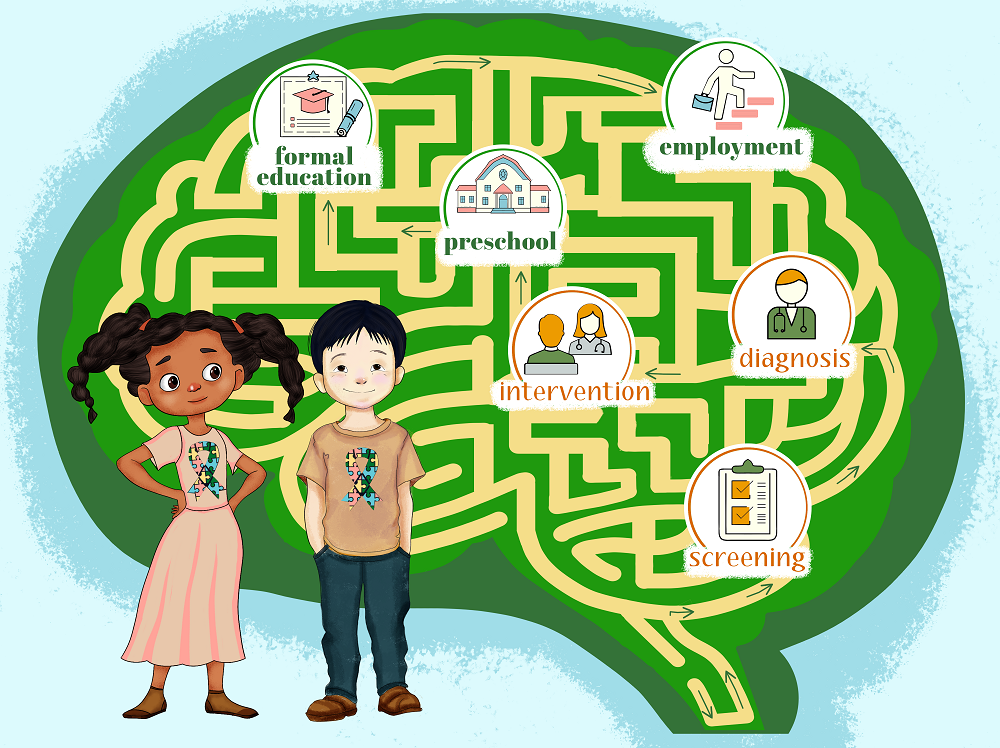
Early recognition can help families understand a child's individual needs and identify appropriate support. However, autism is not something that should be diagnosed based only on an online checklist or a single behaviour. A qualified healthcare professional should conduct an appropriate assessment.
Finding an Autism Doctor in Singapore
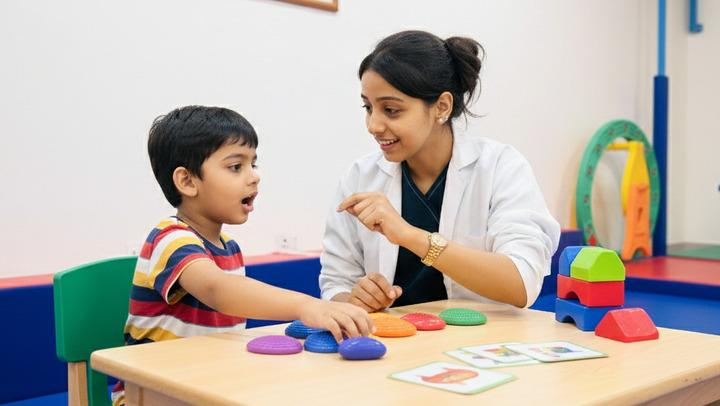
Choosing the right autism doctor Singapore can make the assessment and support process easier for families. An experienced doctor can listen to parents' concerns, review developmental history, observe relevant behaviours, and recommend further assessments when necessary.
Depending on the individual's needs, an autism assessment may involve developmental evaluation, communication assessment, behavioural observations, and input from other specialists. The goal is not simply to provide a diagnosis but to understand the person's strengths, challenges, and support requirements.
When choosing an autism doctor, parents may consider the doctor's experience with autism, approach to families, assessment process, and ability to coordinate with other professionals when additional support is required.
Autism Support and Individualised Care
Support for autism can include different approaches depending on the person's age, needs, abilities, and goals. Some individuals may benefit from speech and language support, occupational therapy, behavioural support, educational assistance, or social skills development.
Parents can also play an important role by creating a supportive home environment. Clear routines, positive communication, patience, and understanding can help children feel more comfortable and confident. For adults with autism, support may focus on communication, independence, employment, relationships, daily living skills, and overall quality of life.
Choosing Autism Singapore Support
Finding reliable autism Singapore information can help families make informed decisions about assessment and ongoing support. Rather than focusing only on a diagnosis, it is helpful to look at the whole person and understand their individual strengths and needs.
Autism Singapore aims to help individuals and families access useful information and professional guidance related to autism. If you have concerns about developmental differences, communication, behaviour, or social interaction, seeking professional advice can be a valuable first step.
FAQs
1. What is autism?
Autism, or Autism Spectrum Disorder (ASD), is a developmental condition that can affect communication, social interaction, behaviour, learning, and sensory processing.
2. When should I consult an autism doctor in Singapore?
If you notice ongoing concerns with communication, social interaction, behaviour, learning, or development, speaking with a qualified doctor can help determine whether an assessment is appropriate.
3. How is autism assessed in Singapore?
An autism assessment may include developmental history, behavioural observation, communication assessment, and evaluation by qualified healthcare professionals.
4. Can autism be treated?
Autism is a developmental condition rather than an illness that can simply be cured. Appropriate support and therapies can help individuals develop skills and manage challenges.
5. Why is early support important for autism?
Early identification can help families understand a child's needs and access appropriate educational, developmental, behavioural, and communication support.